

Rio Hondo
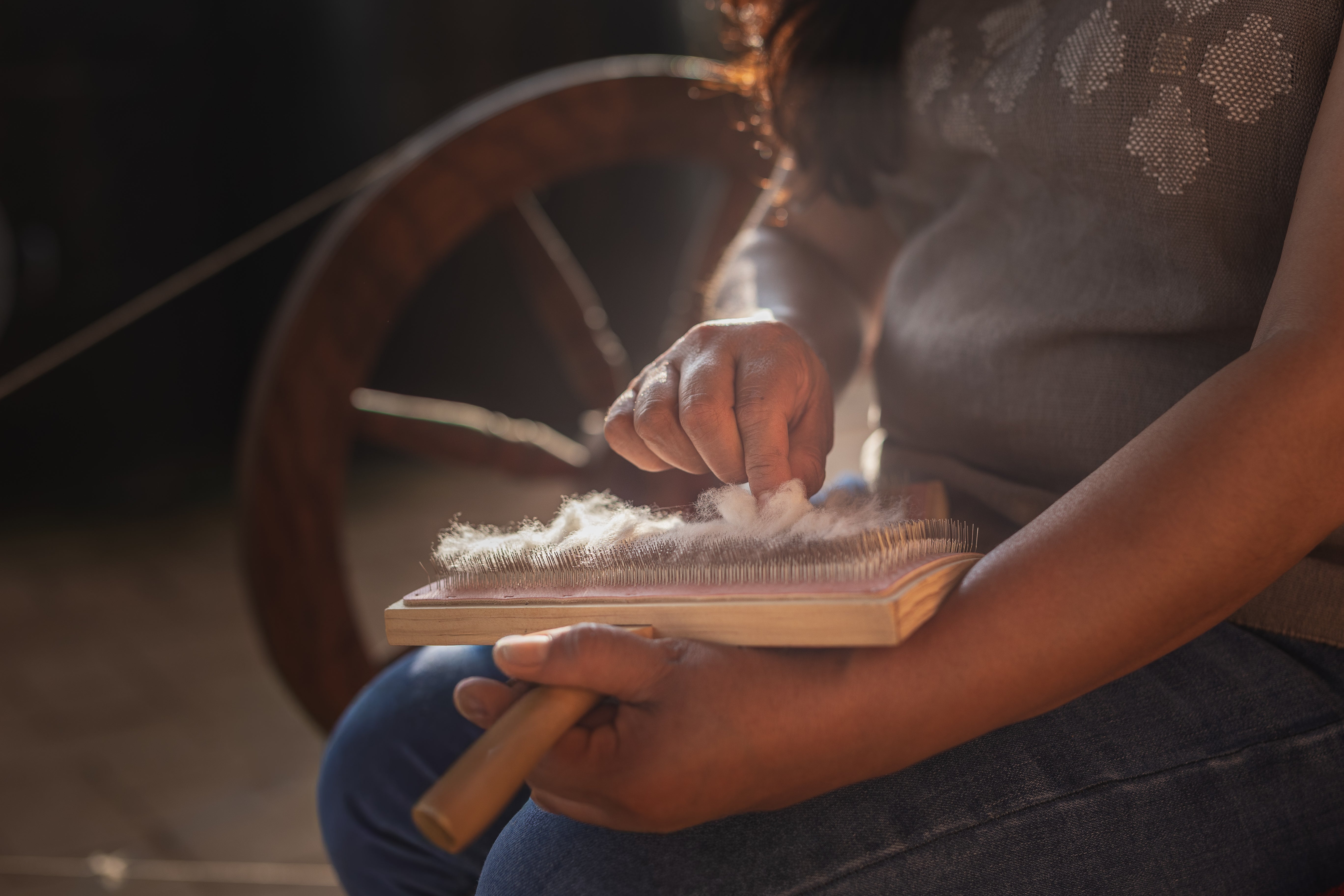
“Born from great necessity,” Cheo explains, striding up the lone paved road that runs through the heart of Rio Hondo.
He’s explaining the birth of the artisan collective that today unifies around 550 women spinning cotton yarn in this village and the neighboring communities that dot the Sierra Madre del Sur mountain range of southern Oaxaca.
Arriving here required driving through a shallow river that, during the rainy season, becomes impassable and forces an alternate route around the mountain. The village itself, where electricity is limited, wood-burning fires provide both warmth and a means of cooking, and running water is the result of homemade ingenuity, pokes a hole in the theatre of handmade artisanry; the marketing fantasy of luxury design houses.
This is not a magical little village of carefree craftspeople happily tucked away from the world.
-
Perusing websites and advertisements, one is encouraged to imagine that handcraft remains central to the world of luxury goods: that highly trained French and Italian artisans painstakingly craft each piece in multi-generational workshops. But how compatible is that imagery with the economics of scale? LVMH’s Fashion & Leather Goods group alone generated €37.8 billion in revenue in 2025. How large would the army of artisans have to be to actually hand-make the millions of luxury handbags that are sold each year?
The numbers belie the fantasy. Reality is less romantic: a global production machine borrowing the language of handwork while operating at the scale of mass commerce.
So what is reality with regards to truly handmade work?
That in an industrial, globalized production economy, true handcraft sits at the edge of a market that has quietly moved on. At this edge, or perhaps just over the side of it, sits Rio Hondo.
A highland Zapotec community, Rio Hondo’s primary economic driver for generations was shepherding and woolwork. Flocks roamed the open mountainsides, grazing and providing the raw material that women in the community spun and wove at home into huipiles, tapestries, blankets, and clothing. These wares, sold throughout Mexico and beyond, helped hold the community together.
Around thirty years ago, as Cheo tells it, the Mexican government planted pines throughout the region in an attempt to engineer a lumber industry. Grass cannot grow beneath the shade pines cast. Within a generation, grazing sheep had become nearly impossible. The collapse of the wool economy pushed Rio Hondo into crisis, forcing many members of the community to leave in search of work elsewhere.
Necessity forced adaptation.
A few hours south of these mountains, toward the coast, farmers still raise native varieties of cotton on small family plots: heritage white cotton and brown coyuchi cotton, pre-Hispanic species deeply tied to this region. The women of Rio Hondo, most of whom had begun spinning wool as young girls, adapted their multi-generational skill to a new raw material. Existing knowledge met resourcefulness and the collective was born.
There’s no industrialism here. There are no factories. To survive demanded combining tradition with ingenuity to create something beautiful and unique enough to compete in an international market.
The result is textile art: the handwoven cotton fabric Camino works with that has been showcased in museums throughout Mexico.
In a village where livelihoods actually depend on artisan craft, “luxury” sounds like some far away abstraction - a bit of jargon peppered into a slide deck on maximizing shareholder value.
Here, the raw material is genuinely scarce. Not scarce for marketing or exclusivity, but because these indigenous, pre-Hispanic varieties of cotton only tolerate very specific conditions. Raised on small family plots without irrigation systems or pesticides, when nature doesn’t cooperate, the crop is lost.
The fabric is genuinely individual. Using this pre-industrial method, an individual spinner can produce enough yarn for about one square yard’s worth of fabric per day. Natural variations in rhythm, technique, and conditions result in irregularity and the evidence of a human hand.
And behind each piece, at least in this case, there still is a human being, practicing a craft handed down to her by her mother and grandmother, pouring weeks of her life into making something beautiful.
-
Camino sources its fabric from an artisan collective in Rio Hondo, Oaxaca, supported by an NGO and committed to fair pay, sustainability, and the preservation of generational craft.
Read more
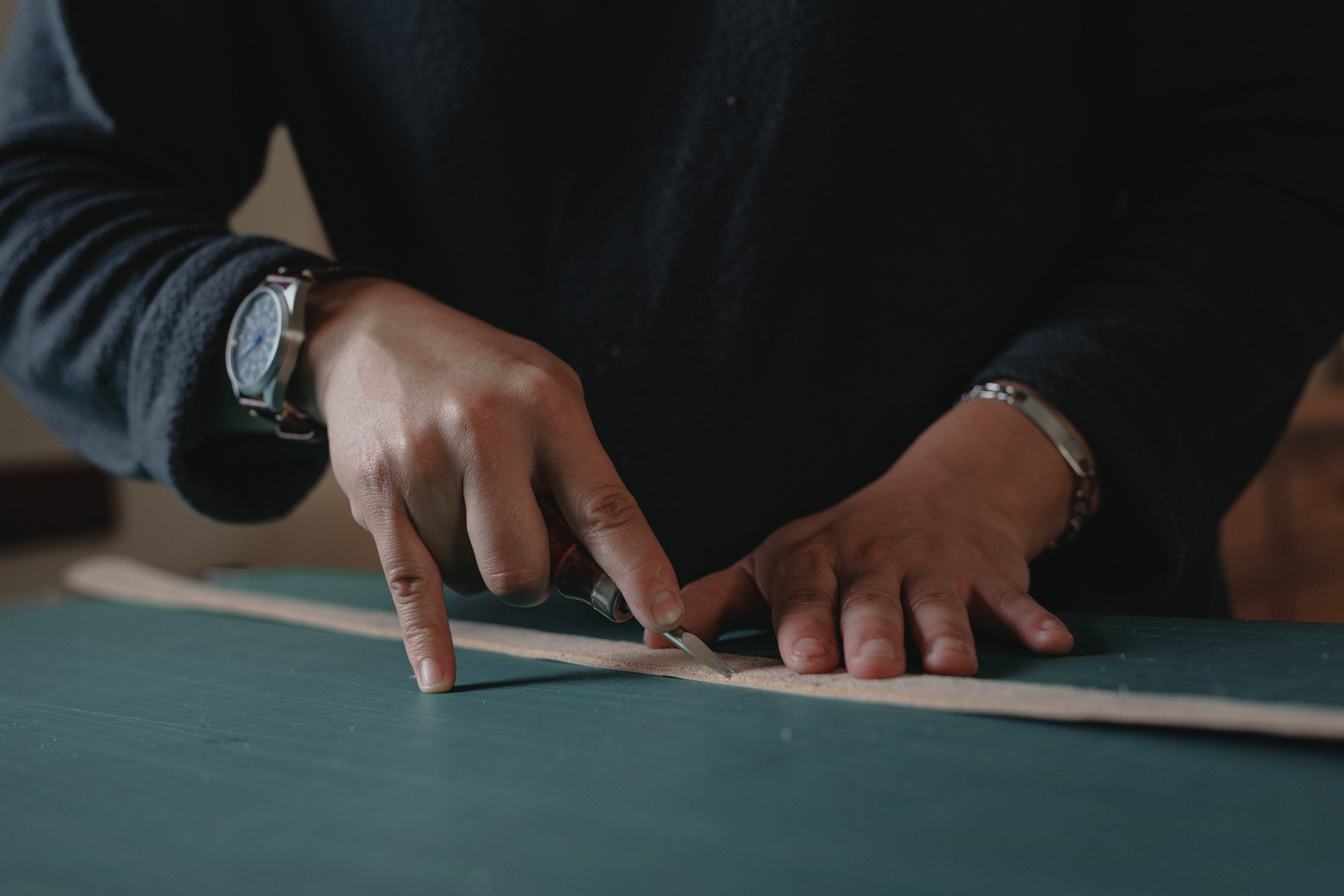
Most anyone can instinctively recognize "good leather." Articulating why is the greater challenge. Leather, like all raw materials, exists on a spectrum. Some wood becomes heirloom furniture. Some ...
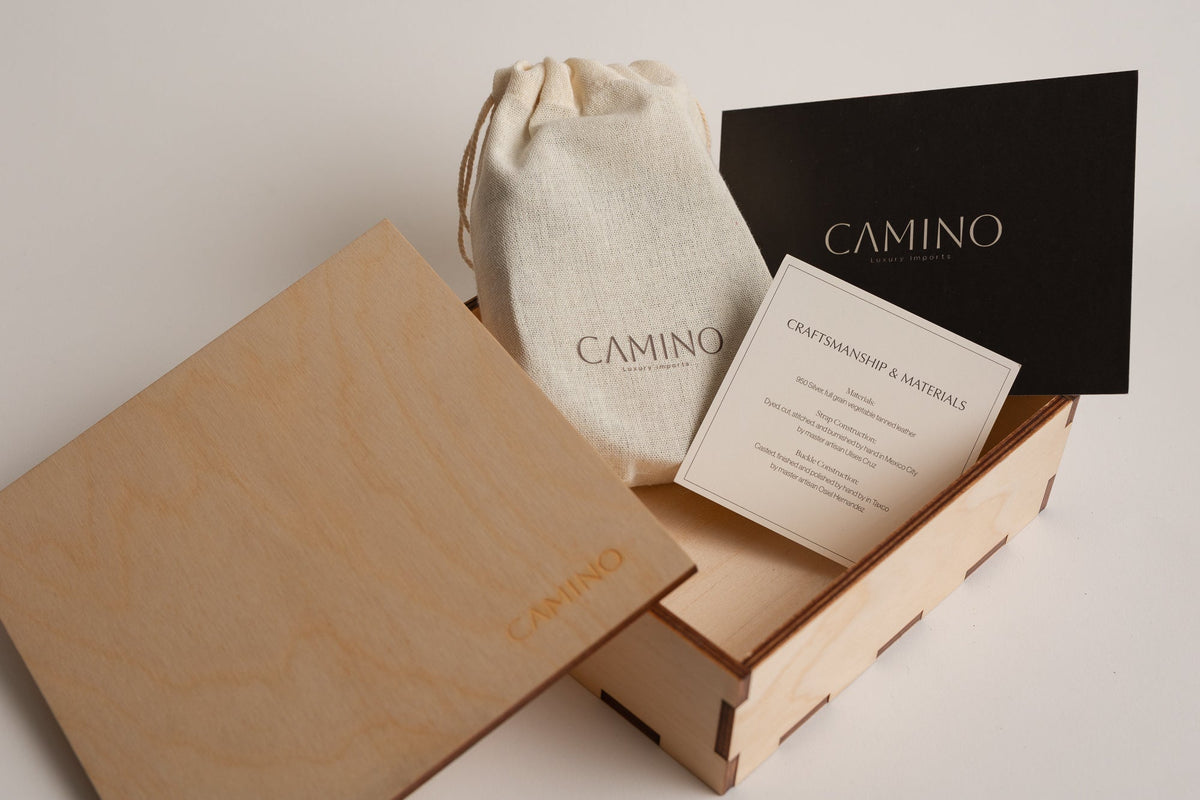
The 2026 Collection The Camino Collection traces a path from Latin America’s master artisans to the American market. Each piece is made by hand in small workshops across Latin America, using region...