

Evaluating Leather
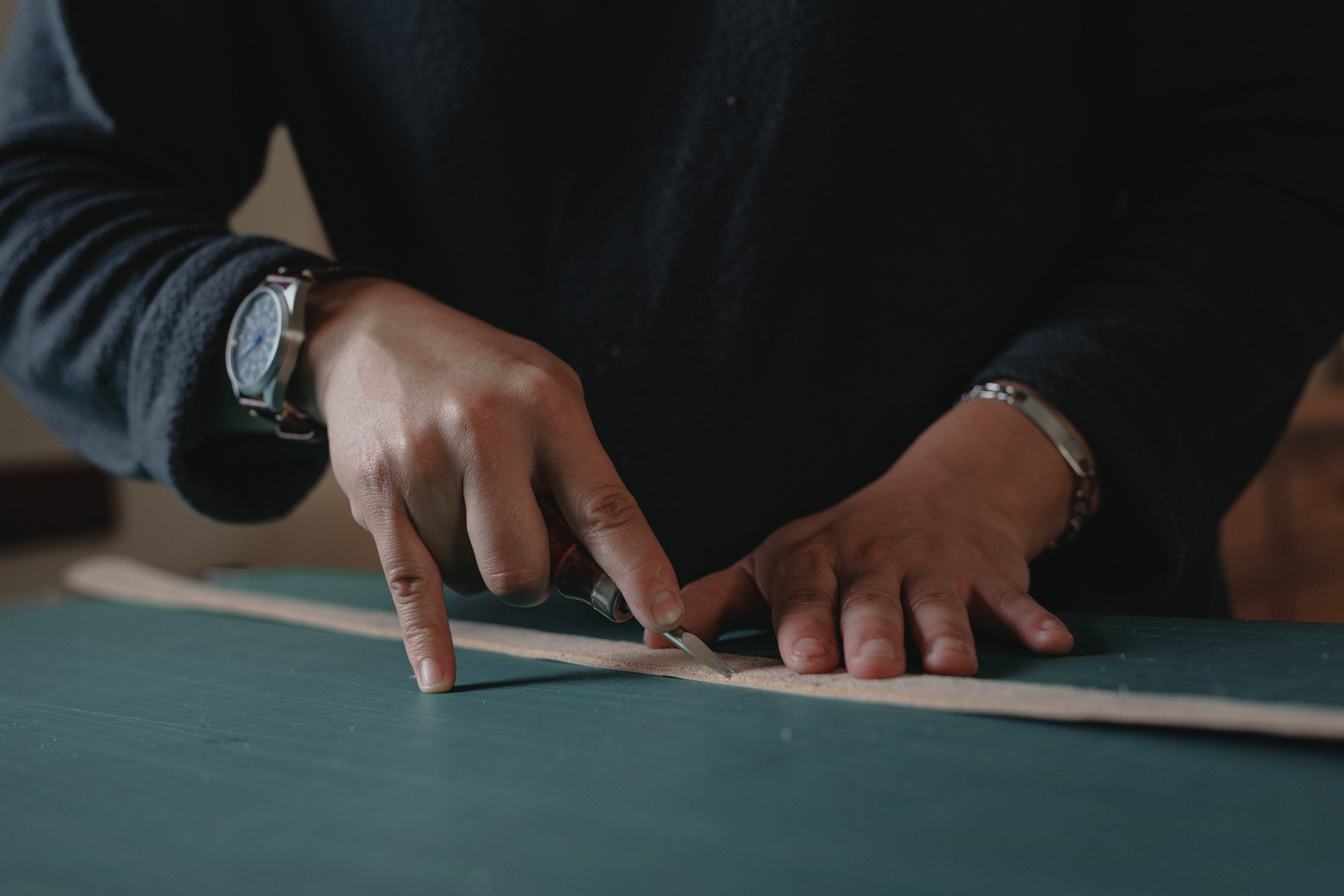
Most anyone can instinctively recognize "good leather." Articulating why is the greater challenge.
Leather, like all raw materials, exists on a spectrum. Some wood becomes heirloom furniture. Some becomes firewood. Some leather is preserved. Some is corrected.
Leather Grades
Leather is defined by the layer of the hide it comes from.
The grain is the outermost surface: the part of the animal that interacted with the environment. It is the strongest, most dense, and most detailed layer.
Beneath it is the corium: looser, more fibrous, and less defined.
The closer the material stays to the grain, the higher its quality.
Full Grain
The best leather is the least altered.
Full grain is the top part of the hide in its full form: the uncorrected exterior of the animal. No sanding. No artificial surface. Without these corrective processes, it holds up over years of use without breaking down.
It also retains its visual depth. When lower grades are corrected, the natural grain is removed and replaced with an artificial surface so that products are uniform.
Full grain keeps the original structure with its natural imperfections intact. These wrinkles and pores give each cut its identity: they reflect light differently, feel more substantial in hand, and evolve over time instead of wearing out.
Patina describes how full grain leather interacts with its environment and improves. Oils from the skin, friction, and exposure gradually change the surface. The material darkens, softens, and takes on a finish unique to its owner.
Lower grades don't do this. Once the natural grain is removed, there’s nothing left to evolve.
Top Grain
Top grain, like full grain, is taken from the top layer of the hide. Prioritizing uniformity over aesthetic richness, it’s sanded to remove imperfections, and coated with a synthetic to ensure that each piece in a batch is identical.
Because the top layer has been removed, it does not interact with the environment and improve with age the way full grain leather does.
Genuine Leather
The lowest grade of leather is Genuine Leather.
It’s made from the lower layers of the hide, after the grain has been removed. These layers are weaker and more fibrous, so they are heavily processed and coated to improve their appearance. Often, machines are used to imprint an artificial grain into the surface that resembles real cowhide.
Genuine leather disintegrates over time and loses luster. It's intended for temporary use and eventual disposal.
-
Camino belts are handmade from full grain leather. They interact with their environment and evolve as the years pass. Their owners do too.
Read more
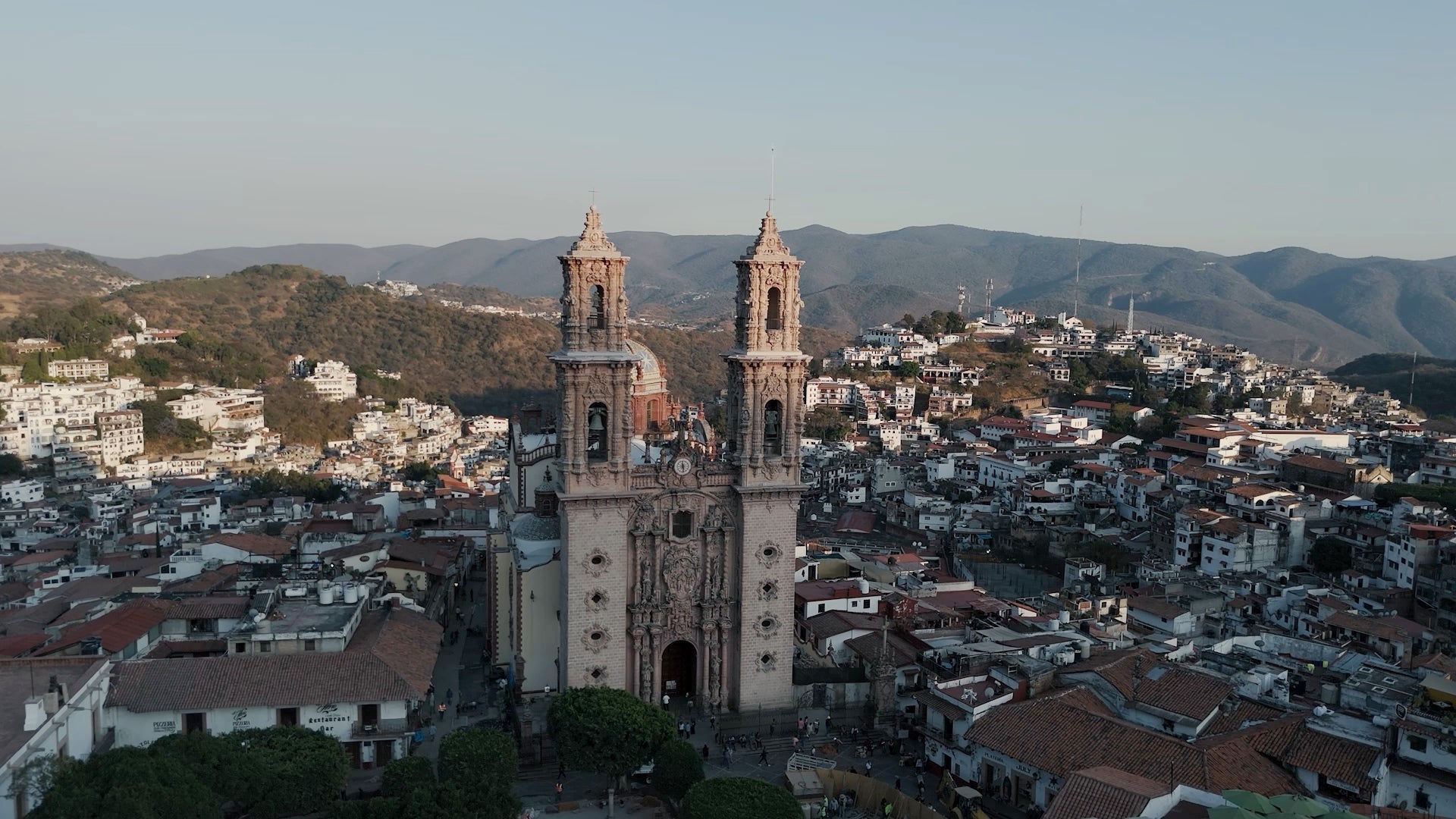
It's about two hours of driving directly south from the heart of Mexico City before that monolith starts to loosen its grip. A few smoldering car wrecks later, the road begins climbing up the Sierr...
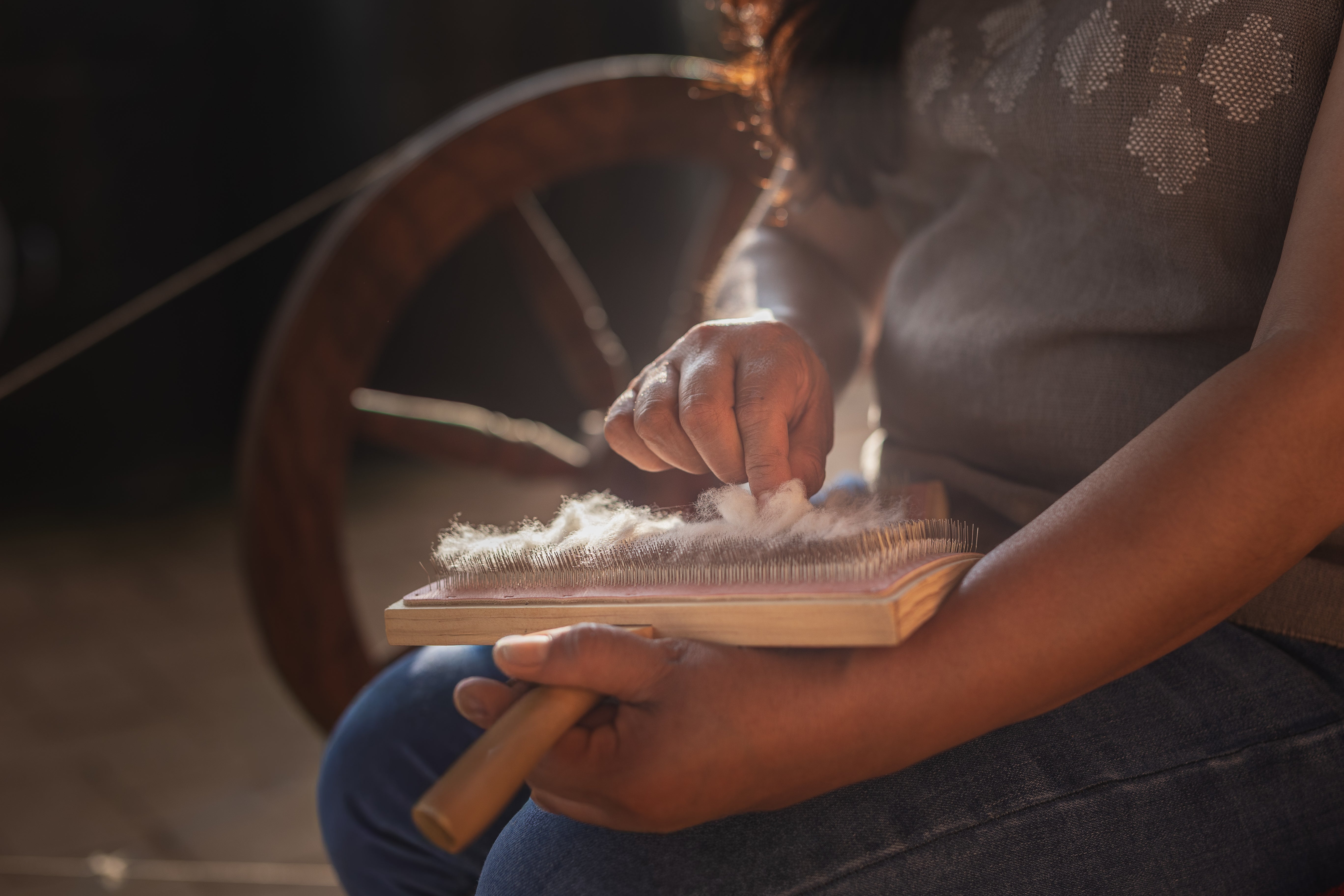
“Born from great necessity,” Cheo explains, striding up the lone paved road that runs through the heart of Rio Hondo. He’s explaining the birth of the artisan collective that today unifies around 5...