
The Arc of Taxco Silver
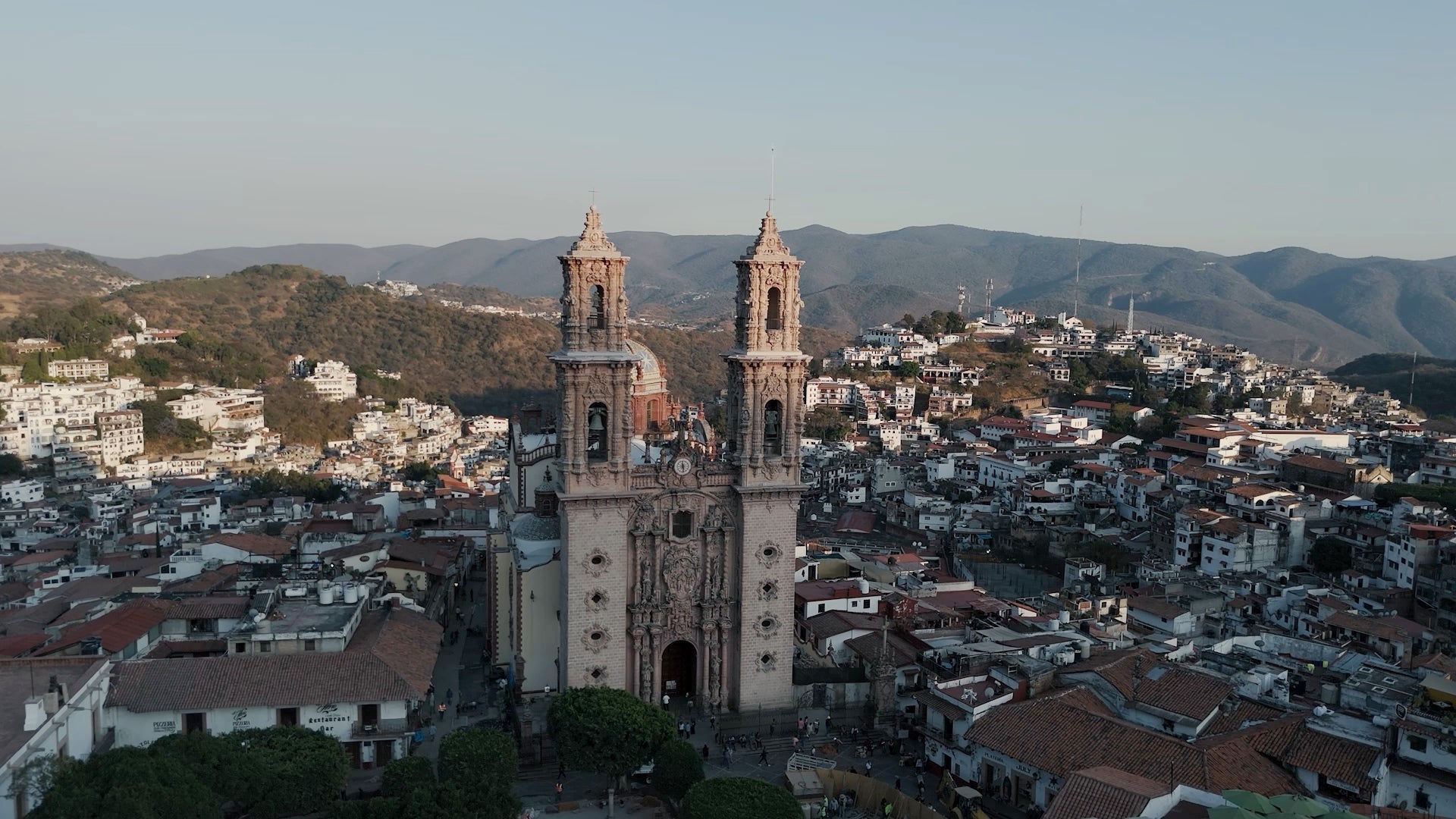
It's about two hours of driving directly south from the heart of Mexico City before that monolith starts to loosen its grip. A few smoldering car wrecks later, the road begins climbing up the Sierra Madre del Sur and Taxco comes into view.
It looks vaguely Mediterranean. White washed, uniform terracotta structures pegged into a mountain, winding their way around roads better equipped for mule traffic than for automobile traffic. Known to be rich in silver, indigenous communities mined small quantities in the region for millennia before the Spanish arrived. However, as opposed to in Europe, it was used exclusively for jewelry and adornment.
Silver did not function as a medium of exchange and it had no role in structuring economic life. Instead, it was valued for its symbolic association with the moon and worn as sculptural jewelry by elites and royalty, particularly during religious ceremonies. The Spanish imposed a different system. Silver became currency. The mountains around Taxco were reorganized into an extraction economy, and output expanded rapidly under colonial rule. The architecture of modern Taxco can largely be traced to José de la Borda, a Spanish mining magnate who, in the mid-18th century, built the town to house his labor force.
He became the richest man in New Spain and Taxco became the most productive silver mine in the world. It is estimated that over one third of all silver ever mined is from Mexico. After Borda's death, the system began to fracture. Production declined. New mining centers emerged elsewhere in Mexico, and political instability disrupted what remained. Taxco receded from its position at the center of global silver extraction and was largely forgotten.
By the early 20th century, the region was still rich in silver, but absent of a defined silversmithing tradition. What little it did produce was raw material, not objects. Its revival came from outside. In the late 1920s, William Spratling arrived in Taxco at the encouragement of U.S. Ambassador Dwight Morrow. An American designer and intellectual with ties to New York's aristocratic circles, Spratling recognized something others had overlooked: Taxco had silver, but it did not yet have a design language.
In 1931, he established a workshop, El Taller de las Delicias (The Workshop of Delights), and began training local apprentices in hand-wrought silver techniques. His approach drew from pre-Hispanic forms and motifs, but was filtered through a modern sensibility: clean lines, controlled proportions, and sculptural weight. The pieces were neither traditional replicas nor European imitations. They were something new. The model was deliberate. Apprentices trained for years. Output remained limited.
The emphasis was placed on form, proportion, and control at the bench rather than large scale production. The work found an audience quickly. Early pieces were exported to the United States and sold through Tiffany & Co. Taxco silver, after centuries of functioning solely as raw material, was now being introduced to the global market as fine jewelry. Within a generation, Taxco became known not only for producing silver, but for shaping it. Thousands of silversmiths now operate in and around the town, many tracing their lineage to these early workshops. For this, statues of Señor Guillermo can be found at several key intersections throughout the town.
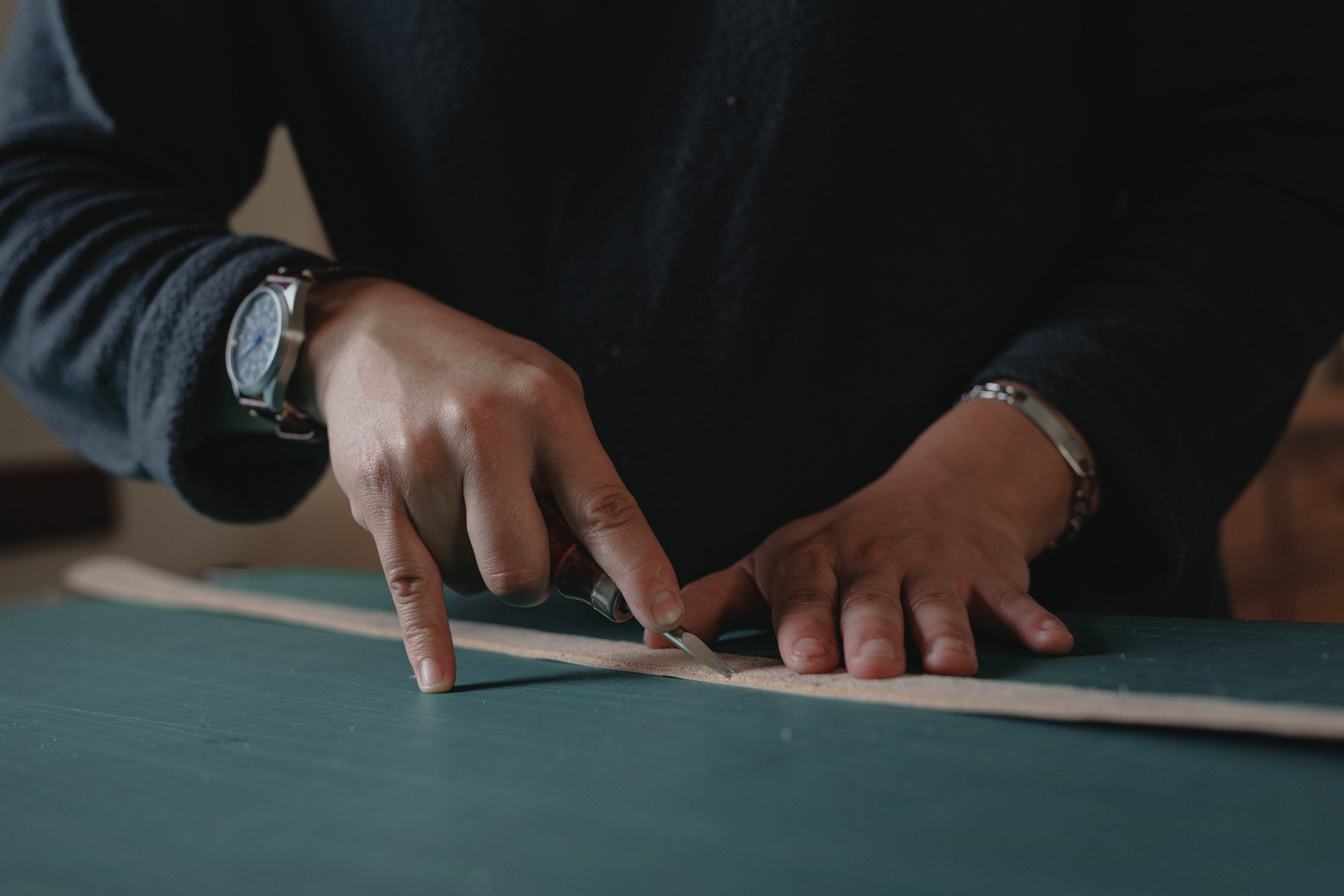
Mesoamerican silver began as jewelry, became currency, and became jewelry again. In Taxco today, both histories remain visible. The architecture reflects the wealth of extraction. The workshops, often no larger than a garage, reflect something else: a discipline built over generations, resistant to scale, and grounded in the act of making.
-
Camino's pieces are produced in workshops in Taxco that operate within this lineage.